

Corporate Video for Businesses: How RAZA Plans an Audiovisual Production
Learn what to align before producing a company video, from its purpose and formats to the filming plan.
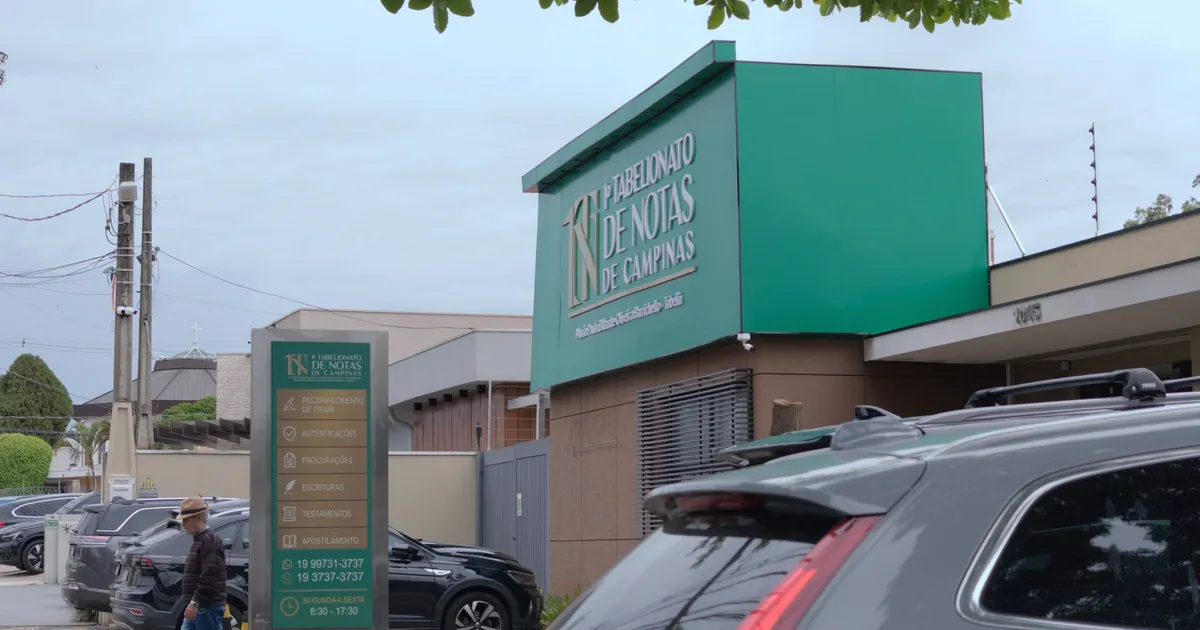
At RAZA, an audiovisual production starts with understanding what the business wants to communicate. That alignment guides the format choices, the filming plan, and the estimate.
The brief guides the plan
The business shares the purpose of the content, what needs to be included, and what should be avoided. It also defines where the material will be used: a horizontal video for YouTube or a website, vertical content for Instagram or TikTok, Stories, or other channels.
With that information, we plan what to capture, the filming locations, and the time needed for the project. The agreed scope and estimated hours provide the basis for the quote.
Formats are decided before filming
The deliverables are agreed according to the project’s purpose, including formats and resolution. For some productions, one filming setup may support both horizontal and vertical edits. In others, each format requires separately planned footage.
This decision is made before filming so that framing and scenes fit their intended use. The production can then avoid relying on improvised edits to adapt the material later.
Coverage of trade fairs and corporate events
Trade fairs, conventions, and product launches are occasions when many businesses need to document their participation. The plan can include footage of the booth, products, team, and demonstrations, as well as interviews recorded on site.
The material is produced around what the business wants to communicate after the event. This may include presenting its presence at the fair, recording important activities, or preparing content for its channels.
Social media and campaign content
Businesses also request videos to maintain their social media presence or support sponsored campaigns. The brief helps define the message, audience, and desired formats before filming.
Each production is planned around those needs. The goal is to deliver material suited to the agreed use, without assuming that the same video will work equally well on every channel.
Related posts
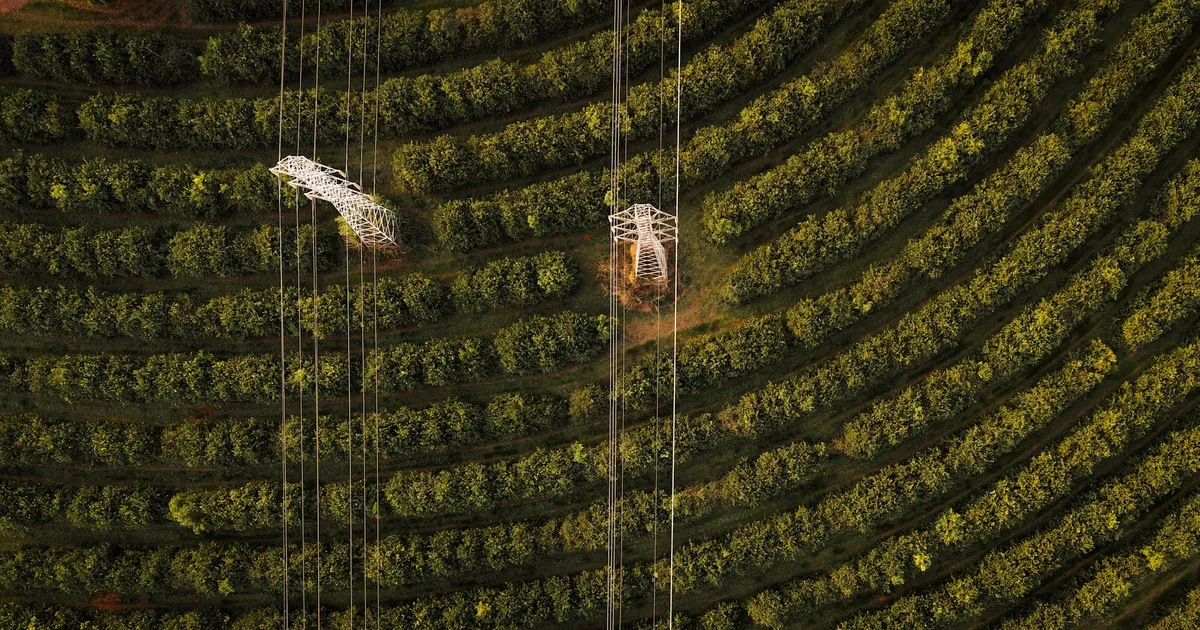
From Ground to Air: How RAZA Documents Business Projects
Learn how audiovisual production, aerial imagery, and georeferenced data can help businesses document and communicate their projects.
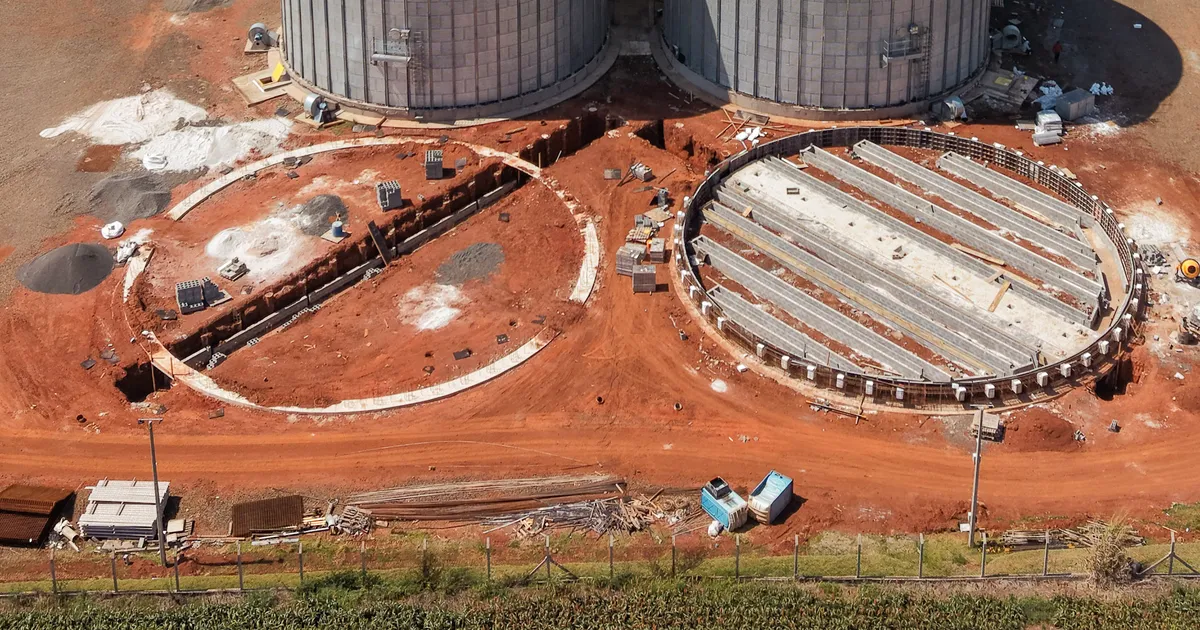
Construction Progress Tracking with Drones: How RAZA Documents Each Project Stage
See how aerial images can document a construction project's progress, show the context of the site, and support project communication.